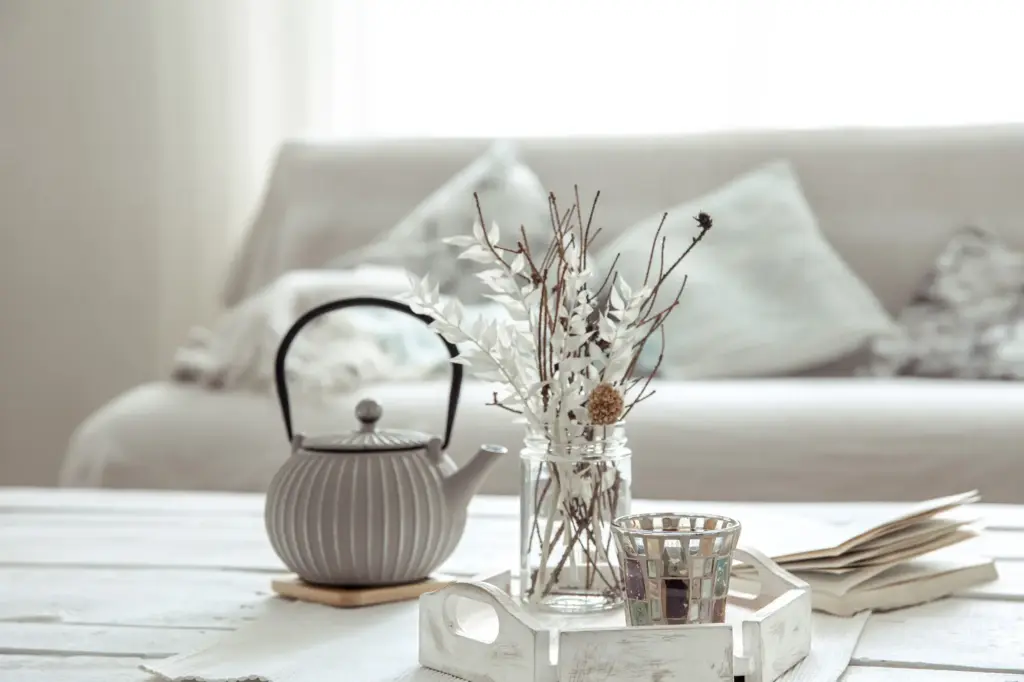
Clear Mind, Zero Spend: Weekends That Feel Abundant


Welcome to an inviting exploration of no-spend weekends that nurture mental clarity, where calm focus replaces impulse purchases and presence outshines price tags. Here you will find science-backed practices, gentle rituals, and imaginative planning tips that transform two free days into a sanctuary for attention, energy, and joy. We will simplify decisions, savor existing comforts, and create space for insight, so Monday arrives lighter, steadier, and meaningfully aligned. Share your experiments, subscribe for fresh ideas, and make every pause truly restorative.

Friday Setup for Frictionless Calm

Before the weekend begins, handle tiny obstacles that become big excuses: tidy a surface, prep simple meals, charge devices you will barely touch, download maps for offline wandering, and place a book in plain sight. Prepare comfortable clothes, fill a water bottle, and set a brief intention note. When Saturday arrives, you start inside a supportive nest, already pointed toward quiet wins. With fewer interruptions, your mind settles more quickly, leaving attention free for noticing light, breath, and the satisfying hum of unhurried hours.

Anchor Routines That Steady the Mind

Anchors are comforting reference points that keep your day coherent without costs. Choose a short morning ritual, a midday fresh-air moment, and an evening reflection window. Keep them gentle yet consistent, like stretching near a window, walking a loop around your block, or brewing tea mindfully. Predictable touchpoints reduce cognitive load, making it easier to enter flow with reading, writing, or creative tinkering. Over time, these anchors become invitations to return to yourself, rather than alarms pushing you into rushed or distracted behaviors.

Inventory Joy You Already Own

Open cupboards, shelves, and folders with beginner’s eyes. Unearth half-finished puzzles, neglected art supplies, forgotten playlists, handwritten recipes, and library holds waiting for attention. Notice community assets too: free museum hours, public gardens, neighborhood paths, and sunset viewpoints within walking distance. Curate a small selection into a visible tray or basket, signaling ease and permission. When delight sits within reach, the pull to buy fades. You are not deprived; you are well supplied. Your mind relaxes, because abundance is proven by presence, not purchase.

Clarity by Science: Restoring Attention Without Buying Distractions
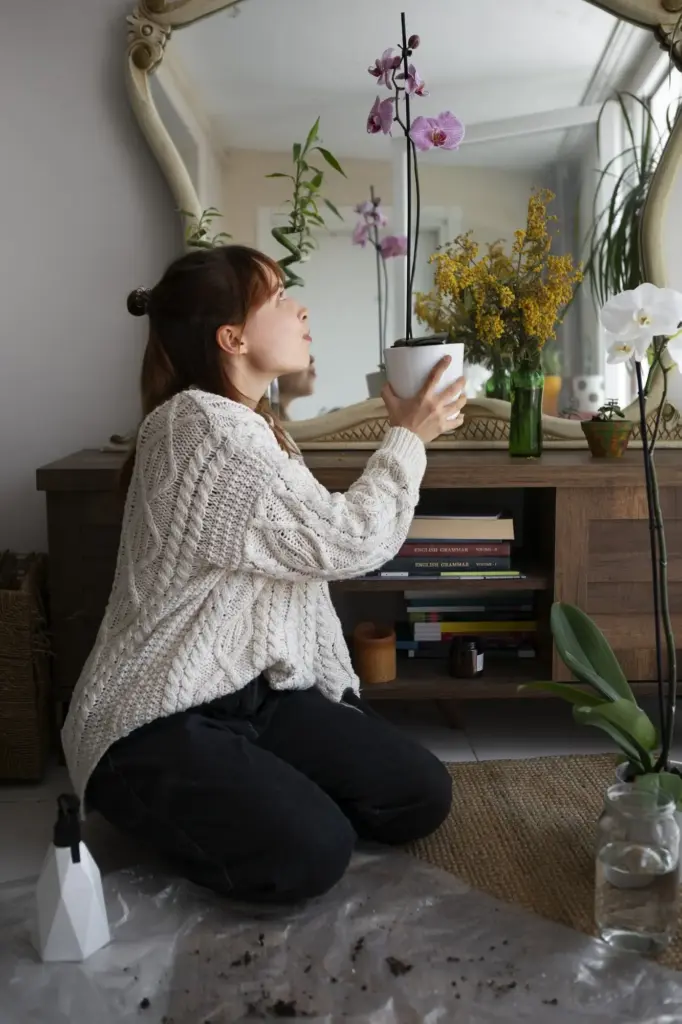
Mental clarity grows when overstimulation subsides. Research on attention restoration suggests nature scenes replenish directed attention, while simplicity reduces cognitive strain. Cortisol drops with slow breathing and unhurried movement. Decision fatigue eases when options are pruned. Dopamine stabilizes through meaningful effort rather than novelty chasing. All of this can happen freely across a weekend designed around low-sensory inputs, daylight, modest goals, and reflective pauses. You will not miss shopping; you will regain sovereignty over your focus, gently coaxing the brain toward balance and sustainable calm.

Micro-Detox Windows that Feel Spacious

Start with friendly intervals rather than extreme abstinence: ninety mindful minutes in the morning, an afternoon outdoor block, and a screen-light hour before bed. Use visible cues like turning the phone face down in another room. When urges spike, breathe slowly and name the urge without judgment. Keep analog companions nearby: a notebook, pencil, paperback, or puzzle. Each completed window proves you are capable of choosing presence. Confidence grows, anxiety softens, and time seems to widen, making room for curiosity, conversation, and genuine, unhurried noticing.

Low-Tech Delights That Spark Flow

Rekindle tactile hobbies that welcome immersion: hand-copying a favorite paragraph, doodling geometric patterns, arranging pantry spices by color, or practicing origami from memory. Choose activities with instant setup and graceful stopping points, widening opportunities for spontaneous engagement. Flow often arises when challenge and skill meet gently, so keep goals small and playful. Without algorithmic nudges, your attention learns to pursue intrinsic reward. By the end of the weekend, you may feel nourished by simple making, your hands inked or flour-dusted, your mind quieter and satisfyingly engaged.

Signal Your Plan to Support Accountability

Let friends and family know you are experimenting with a lighter digital load this weekend. Offer alternative contact windows, suggest a walk instead of a thread, and invite companions to co-create offline moments. A shared understanding prevents misunderstanding and builds supportive accountability. Post a brief, scheduled note if needed, then step away with intention. When others witness your commitment, they often cheer, join, or at least adapt. Your boundaries become communal culture, transforming a personal practice into a small movement that normalizes rest, presence, and humane attention.

Move, Breathe, Wander: Free Practices That Sweep Cobwebs Away

Gentle movement polishes mental windows. Walks, stair climbs, stretching, and breathwork regulate mood and clarify thinking, especially when paired with daylight. You do not need gear, studios, or trackers to benefit. Choose approachable patterns that feel kind rather than heroic. Notice how posture influences outlook and how exhale length eases tension. Mix stability with novelty by exploring a new neighborhood block or staircase. Each simple practice builds an internal sense of capability that outlasts the weekend, reminding your nervous system that safety and momentum can coexist harmoniously.
Turn a familiar walk into a scavenger wander by setting observation prompts: three textures, two unexpected colors, one pleasing shadow. Pause to map your route from memory. Notice how attention sharpens when the goal is looking rather than arriving. If thoughts race, sync steps to breath, counting four on inhale, six on exhale. Let small discoveries—an herb on a windowsill, chalk drawings, the scent of rain—be enough. This humble quest costs nothing, yet reliably returns you to presence with a pocketful of quiet, delightful observations.
Use a calming ratio you can remember anywhere: inhale through the nose for four, hold for two, exhale for six to eight. Repeat for five minutes, shoulders soft, jaw unclenched. The extended exhale invites the parasympathetic system to guide the room. Pair with a hand on the sternum to feel settling in real time. This simple cadence lightens mental fog and cools irritation. Practice before journaling or calls, after walks, and whenever you crave steadiness. Over repeated weekends, it becomes a familiar, portable doorway back to spacious awareness.

Pantry Comforts and Mindful Eating That Soothe the Nervous System

Food can ground attention when chosen and prepared with care. Lean on pantry staples to create warm, inexpensive meals that honor energy rather than hijack it. Emphasize slow chewing, balanced flavors, and hydration. Let cooking become a sensory meditation: onions whispering in a dry pan, citrus waking sleepy tea, toast offering comforting crispness. Share with a neighbor or write a quick recipe note for later you. Eating this way is not austere; it is abundant, generous, and wonderfully aligned with clarity, gratitude, and restful pacing.

Capture Insights and Carry Them Forward Into Monday
Reflection integrates the weekend’s subtle gains so they persist. Keep a simple record of mood shifts, sparks of gratitude, and ideas worth repeating. Use prompts that reveal patterns: what restored you, what drained you, what surprised you kindly. Convert insights into tiny commitments that fit weekdays, like a five-minute breath break or a midday walk loop. Share your favorite discoveries in the comments and subscribe for gentle reminders. In practicing recall and celebration, you train the mind to notice progress, which naturally invites even clearer, kinder choices next time.
Pexilumazavopalo
Privacy Overview

This website uses cookies so that we can provide you with the best user experience possible. Cookie information is stored in your browser and performs functions such as recognising you when you return to our website and helping our team to understand which sections of the website you find most interesting and useful.